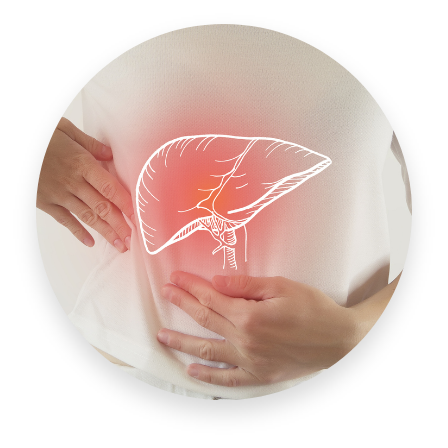
The type of cancer that affects the liver is known as hepatocellular carcinoma.
It is one of the most common types of cancer that can be found globally due to the availability of effective health screening programs. It is regarded as one of the leading causes of cancer-related deaths worldwide.
The leading causes of liver cancer are chronic viral infections, such as hepatitis B and C.
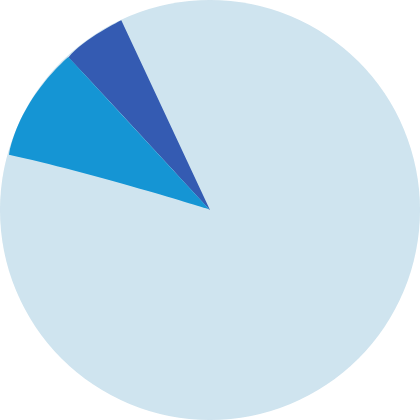
5.24%
INFECTED WITH HEPATITIS B2%
INFECTED WITH HEPATITIS CBoth of these viruses can cause liver cancer. Individuals from the following groups are at risk of getting this disease:
Individuals from the following groups are at risk of getting this disease:
 Chronic hepatitis B (the risk increases with age).
Chronic hepatitis C with severe fibrosis(scarring).
Liver cirrhosis (liver hardening due to severe fibrosis) from any cause.
Non-alcoholic fatty liver disease with cirrhosis
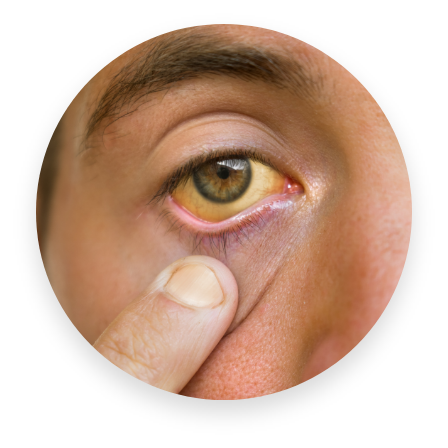
Early detection is crucial for patients with hepatoma, as the symptoms usually appear late. Since the disease usually progresses late, those at risk need to get screened.
The presence of these symptoms can indicate the late stages of the disease. Therefore, regular screening is essential for those who are at risk.
If the test results are positive, further tests such as a CT scan and MRI are required to confirm the diagnosis and determine the appropriate treatment.
Doctors use staging to identify the severity and spread of the malignancy.
Liver cancer is classified into four stages.
Early-stage liver cancer usually offers more treatment options and better outcomes.

A single tumour is present, fully confined to the liver with no blood vessel involvement or spread.

One tumour has grown into a blood vessel, or multiple small tumours measuring 5cm or less are present within the liver.

Multiple tumours are present, with at least one exceeding 5cm, or the cancer has reached a major blood vessel.

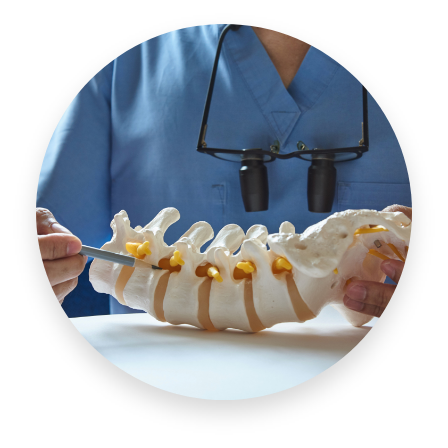
Cancer has spread beyond the liver to other organs such as the lungs, bones, or lymph nodes.
Different treatment methods are available for patients with hepatoma. Early detection and effective treatment during the early phase can lead to a cure. The list of treatment options is as below:
Hepatectomy is a type of surgical procedure that can be performed to remove a portion of the liver that has been affected by the disease. This method has a high cure rate, but it can be limited by the various factors that affect the patient's condition.
One of the most common treatment methods for patients with hepatoma is radiofrequency ablation. This procedure is performed by an interventional radiologist using a probe that is designed to deliver radio frequency to the cancer cells.
For patients with small-sized tumours unsuitable for resection, liver transplantation may be recommended.
A type of chemotherapy known as transarterial chemoembolisation (TACE) is commonly used for treating patients with hepatoma. It is a procedure performed by an interventional radiologist in which blood supply to a tumour is blocked after anticancer drugs are given in blood vessels near the tumour.
Others are systemic chemotherapy, radiotherapy and targeted molecular therapy.
This article aims to educate people about liver cancer. Subang Jaya Medical Centre is a leading facility with a wide range of cancer treatment options. Its one-stop Cancer and Radiosurgery Centre is equipped with the latest technology.
The doctors and staff members of the SJMC are dedicated to ensuring that the patients receive the best possible care. They are also committed to conducting prevention and screening programs to ensure that all individuals know the latest treatment methods.

© 2026 Subang Jaya Medical Centre - All Rights Reserved