
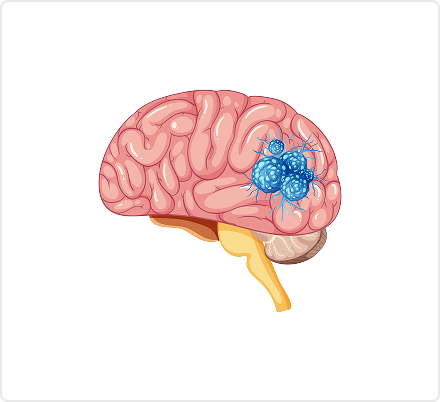
A brain tumour is an abnormal growth of cells inside or around the brain. It can affect how the brain works, depending on its size and location.
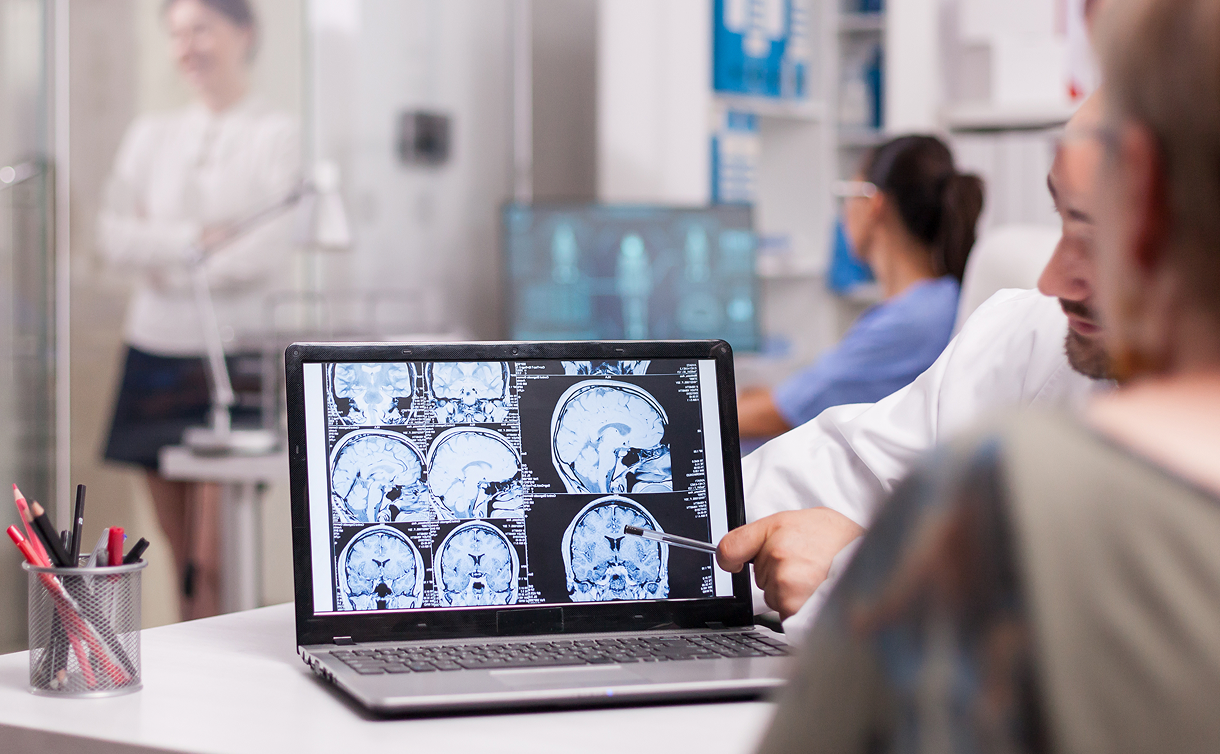
A brain tumour is an abnormal growth of cells inside or around the brain. It can affect how the brain works, depending on its size and location.
There are two main types:At SJMC, our specialists are trained to diagnose and treat all types of brain tumours using advanced technology and personalised care for every patient.
Brain tumours can be benign or malignant. Benign tumours grow slowly and are noncancerous, while malignant tumours grow faster and can invade nearby tissue.
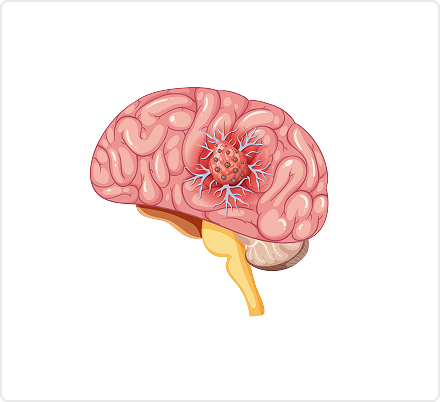
Gliomas
Meningiomas
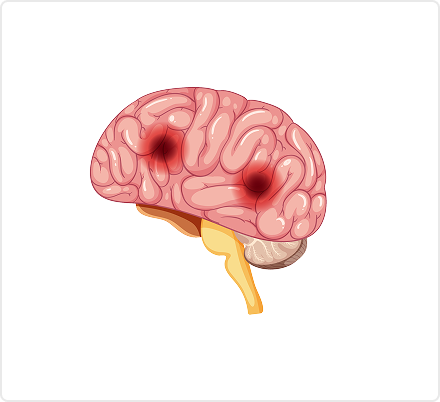
Metastatic brain tumours
SJMC provides precise diagnosis and treatment for all types to ensure the best outcomes for patients.
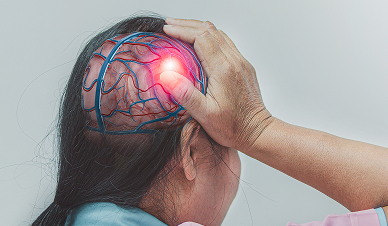
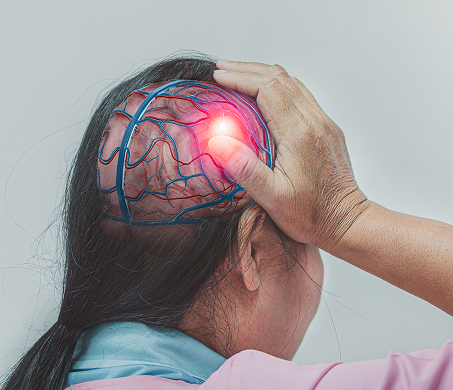
Symptoms vary depending on the tumour’s location. Common signs may include:

Persistent headaches

Nausea or vomiting

Vision problems, such as blurred or double vision

Balance or coordination issues

Memory loss or changes in personality
Persistent headaches
Nausea or vomiting
Vision problems, such as blurred or double vision
Balance or coordination issues
Memory loss or changes in personality
Early detection is crucial. Our Cancer & Radiosurgery Centre offers advanced diagnostic scans and timely assessments by experienced neurologists and oncologists.
The causes of brain tumours are not always clear. Some factors may increase risk, including family history of brain tumours, exposure to high levels of radiation, age, and certain genetic or medical conditions.
Our specialists at SJMC help patients understand their risks and provide guidance for early screening and prevention.
Accurate diagnosis is essential for effective treatment. SJMC offers:
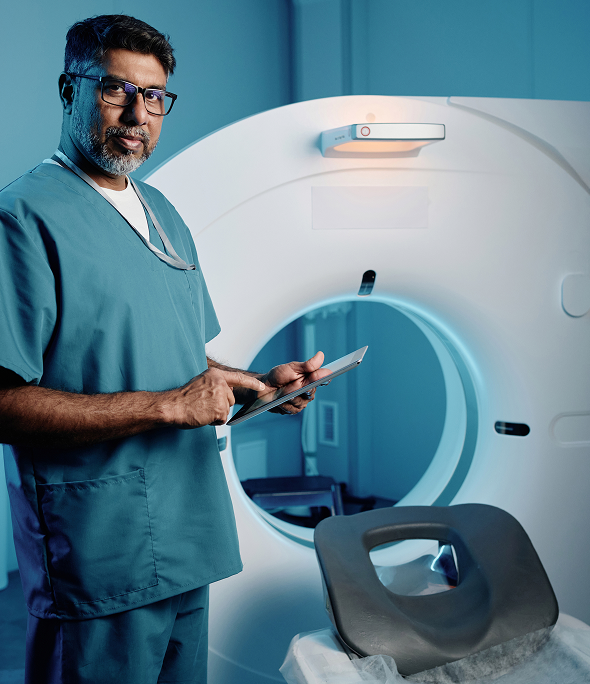
MRI scans for detailed images of the brain
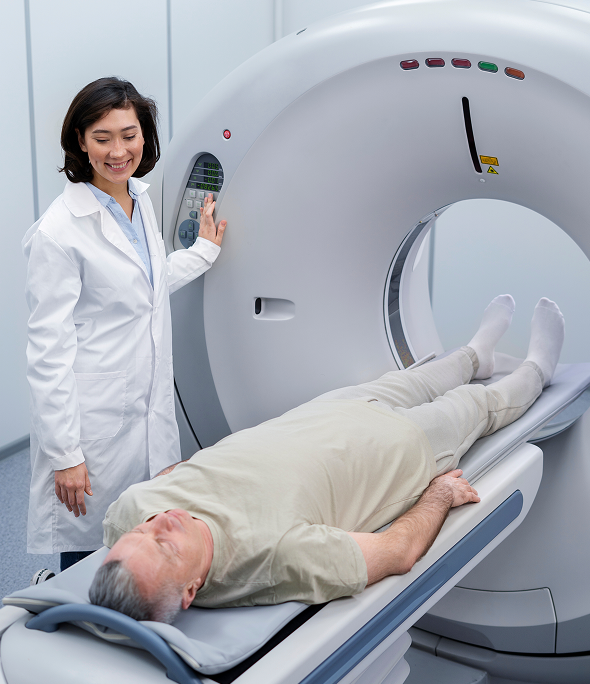
CT scans to identify the tumour’s size and location
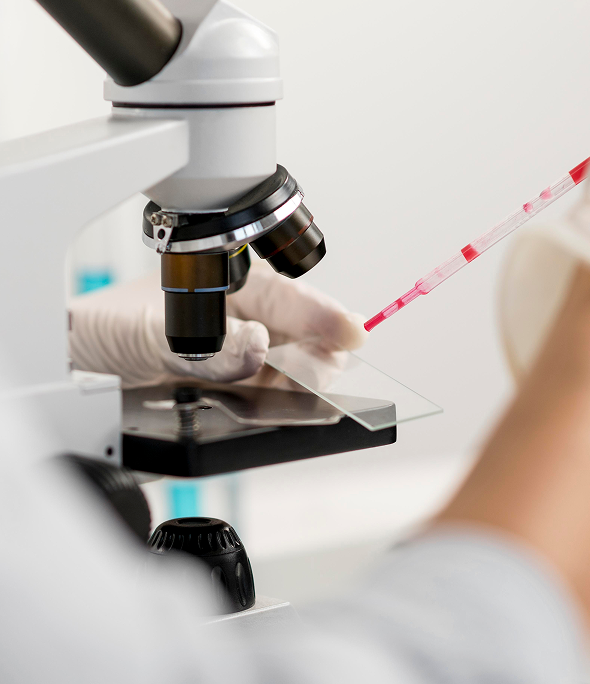
Biopsies to confirm the tumour type
MRI scans for detailed images of the brain
CT scans to identify the tumour’s size and location
Biopsies to confirm the tumour type
Our advanced facilities ensure accurate results to guide personalised treatment plans.
Treatment depends on the tumour type, size, and location. SJMC provides:
Surgery to remove or reduce tumours

Radiation therapy to target cancer cells

Targeted therapy using medication to block tumour growth
Surgery to remove or reduce tumours
Radiation therapy to target cancer cells
Targeted therapy using medication to block tumour growth
We also offer minimally invasive radiosurgery, allowing patients to recover faster while maintaining brain function.

Treatment may cause side effects, including fatigue, nausea, or temporary hair loss. SJMC’s care team supports patients in managing these effects with personalised therapies, nutrition advice, and ongoing monitoring.

Recovery continues after treatment. We provide follow-up scans and consultations, rehabilitation through physiotherapy, and emotional and psychological support to help patients regain strength and confidence.

© 2026 Subang Jaya Medical Centre - All Rights Reserved